
A testbed helps people test new technologies at sea by making it clear where they can do it, how it works and how to protect the marine environment during testing
Making it easier to test marine innovation at sea
The Baltic Sea region does not lack ideas. It lacks a clear way to test them in real life.
Many promising marine technologies — from autonomous monitoring devices to smart port solutions and offshore energy support systems — struggle to move from prototype to real-world use. Not because they do not work, but because testing at sea is hard to organise, slow to approve and uncertain in outcome.
For innovators, this becomes a bottleneck. Companies and research teams need real sea conditions to prove that their solutions are safe and reliable. Authorities need clear evidence before they can make decisions. But responsibilities are spread across institutions, permits often involve several authorities, and expectations are not always clear.
This matters even more in Estonia and Latvia. The marine environment is sensitive, competition for sea space is growing and expectations for cleaner, more sustainable maritime solutions are rising. The region needs faster progress in offshore renewables, green shipping, smart ports and digital monitoring.
At the same time, the Baltic Sea is under pressure — from eutrophication and pollution to climate-driven changes affecting ecosystems and coastal processes. Security concerns and the protection of critical maritime infrastructure add another layer, increasing the need for better monitoring and response.
Without a clearer pathway for testing at sea, innovations remain stuck in laboratories or small pilots. Investment stays cautious, useful solutions reach users too slowly and the region risks falling behind.
This is the gap MarTe is helping to define and address.
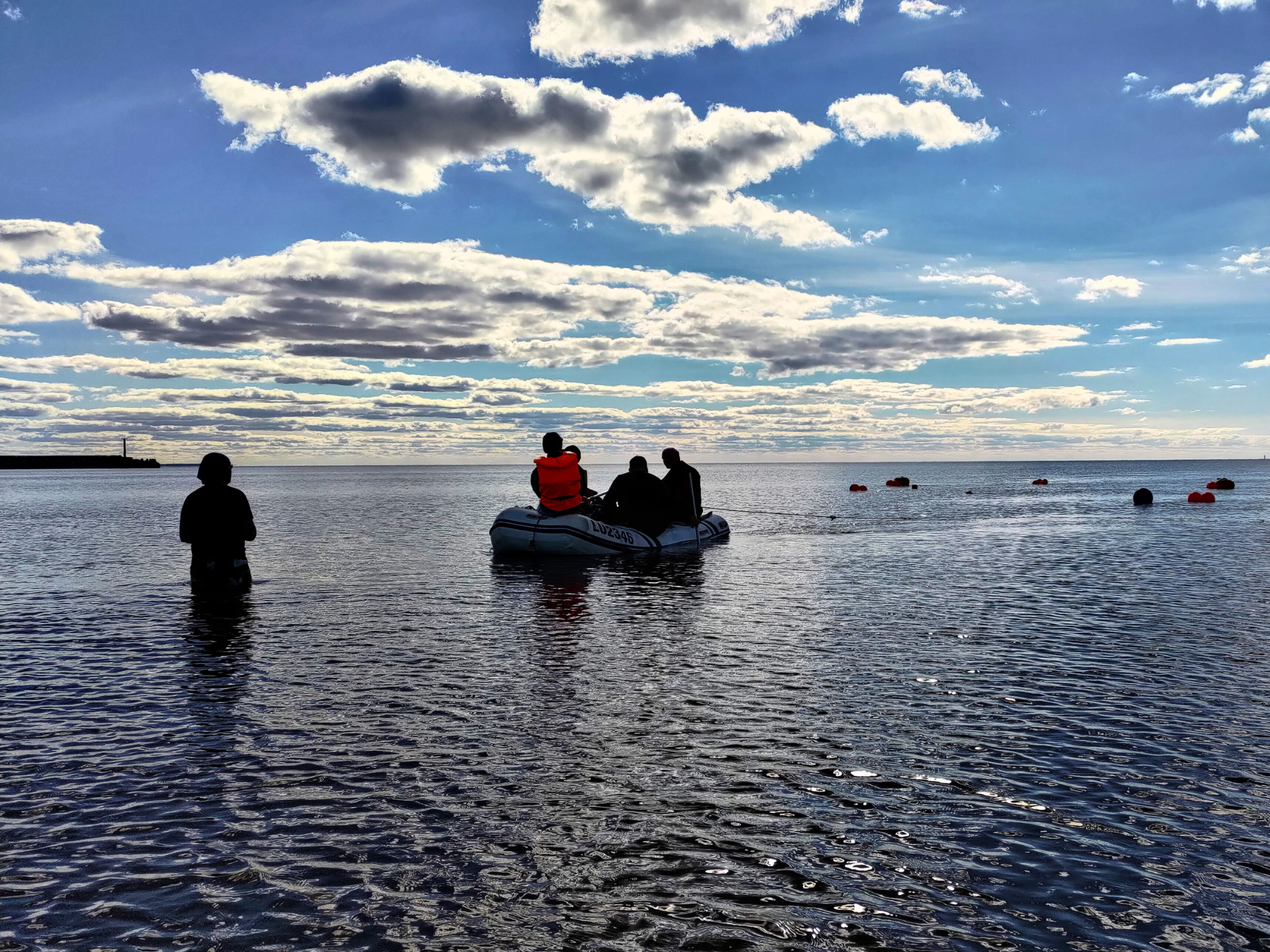
Deployment of a wave energy measuring system in the Gulf of Riga to support the assessment of coastal erosion processes.
From isolated pilots to a clear testing pathway
MarTe is developing an Innovation Testbed concept for Estonia and Latvia.
The aim is not to launch a ready-made system overnight. The first step is to define what such a system should look like, how it could work in practice and what is currently missing.
At its core, the concept brings together place and process.
The “place” means suitable areas in national waters where testing could take place. The “process” means the rules, safeguards and cooperation needed to make testing understandable and predictable.
A testbed is therefore not just a location. It is everything around it. For example, if a company wants to test a new marine sensor, it should be clear where testing may be possible, whom to contact, what environmental information is needed and how results can support permits or planning decisions.
A strong concept answers simple but critical questions:
- Where can testing take place?
- Under what conditions?
- What needs to be measured and monitored?
- Who is responsible for what?
It also helps different actors work together — companies, researchers, authorities and other sea users — by making expectations clearer from the start.
The goal is not to simplify rules, but to make them clearer and more consistent. Environmental safeguards remain central, but are better defined and easier to apply in practice.
Instead of fragmented, one-off pilots, the concept lays the groundwork for a more coordinated testing environment across Estonia and Latvia.
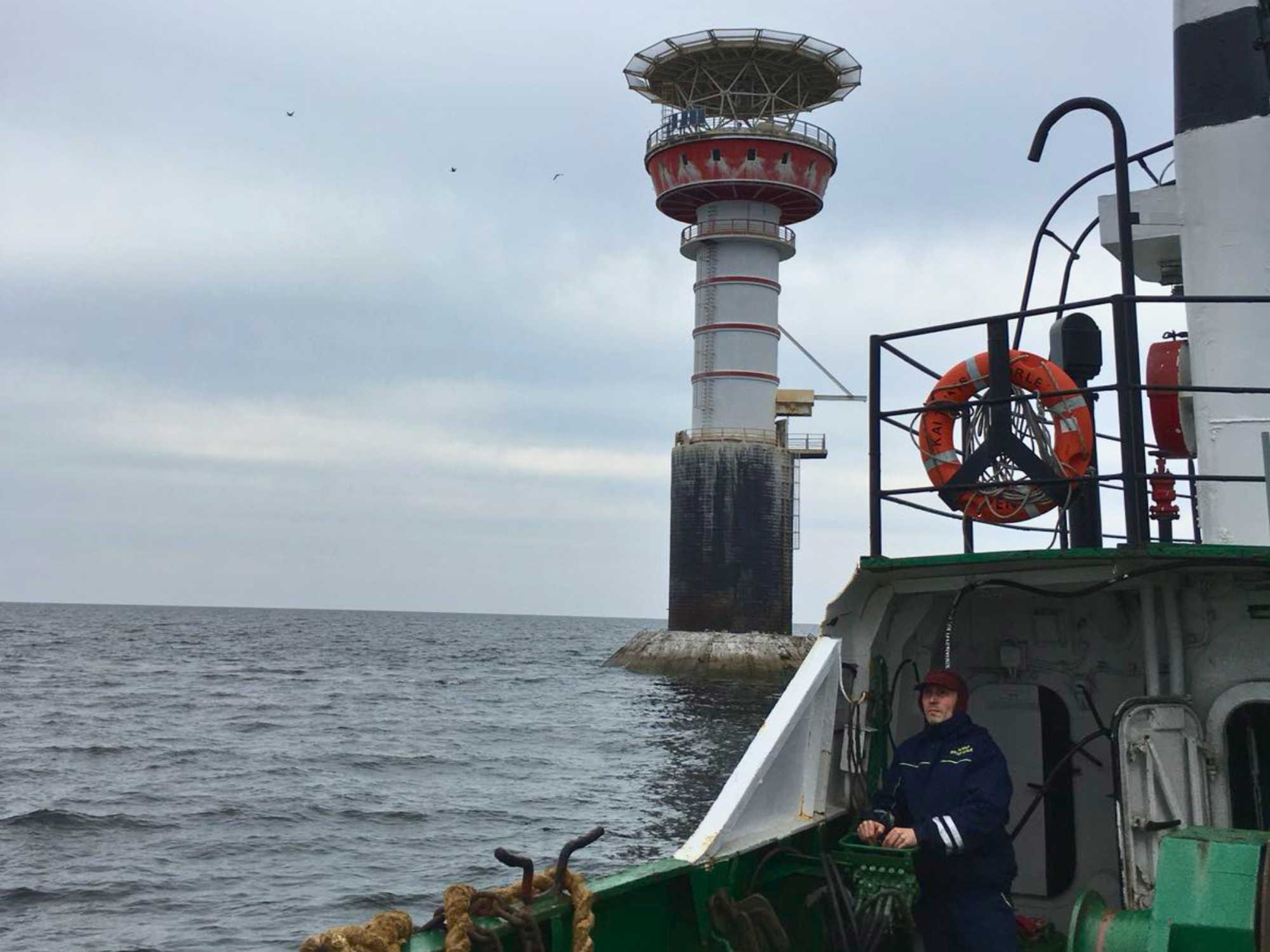
MarTe partner Latvian Institute of Aquatic Ecology installs photometers on top of Irbe Lighthouse every year as part of international ocean colour monitoring with the European Commission’s Joint Research Centre, helping to track changes in the marine environment.
Towards a clearer path from pilot to practice
If taken forward, the concept could shift the region from scattered pilot projects to a more structured and trusted testing pathway.
For companies and research teams, this means less time navigating uncertainty and more time improving technologies. It becomes clearer where to test, what to prepare and what information is needed for permits, environmental assessment or investment discussions.
For authorities and planners, the benefit is different. Instead of assessing each new technology from scratch, they gain a more consistent basis for decisions. Testing needs become more visible in marine spatial planning, environmental assessment and future investments.
Ports, offshore developers and marine operators would gain better access to tested solutions that improve efficiency, safety and sustainability. Coastal communities benefit through lower environmental risks, better monitoring and new high-value jobs linked to the blue economy.
The first step is the concept itself, expected by the end of 2026. From there, it can support site-level planning, stakeholder cooperation and practical guidance.
In three to five years, success would mean something simple but important: testing is no longer uncertain. Innovators know where and how to test. Authorities have clearer guidance. The first technologies have moved through repeatable testing steps in areas such as autonomous monitoring, smart ports, offshore wind support and environmentally responsible aquaculture.
Over time, this could position Estonia and Latvia as credible places for real-life marine innovation testing.
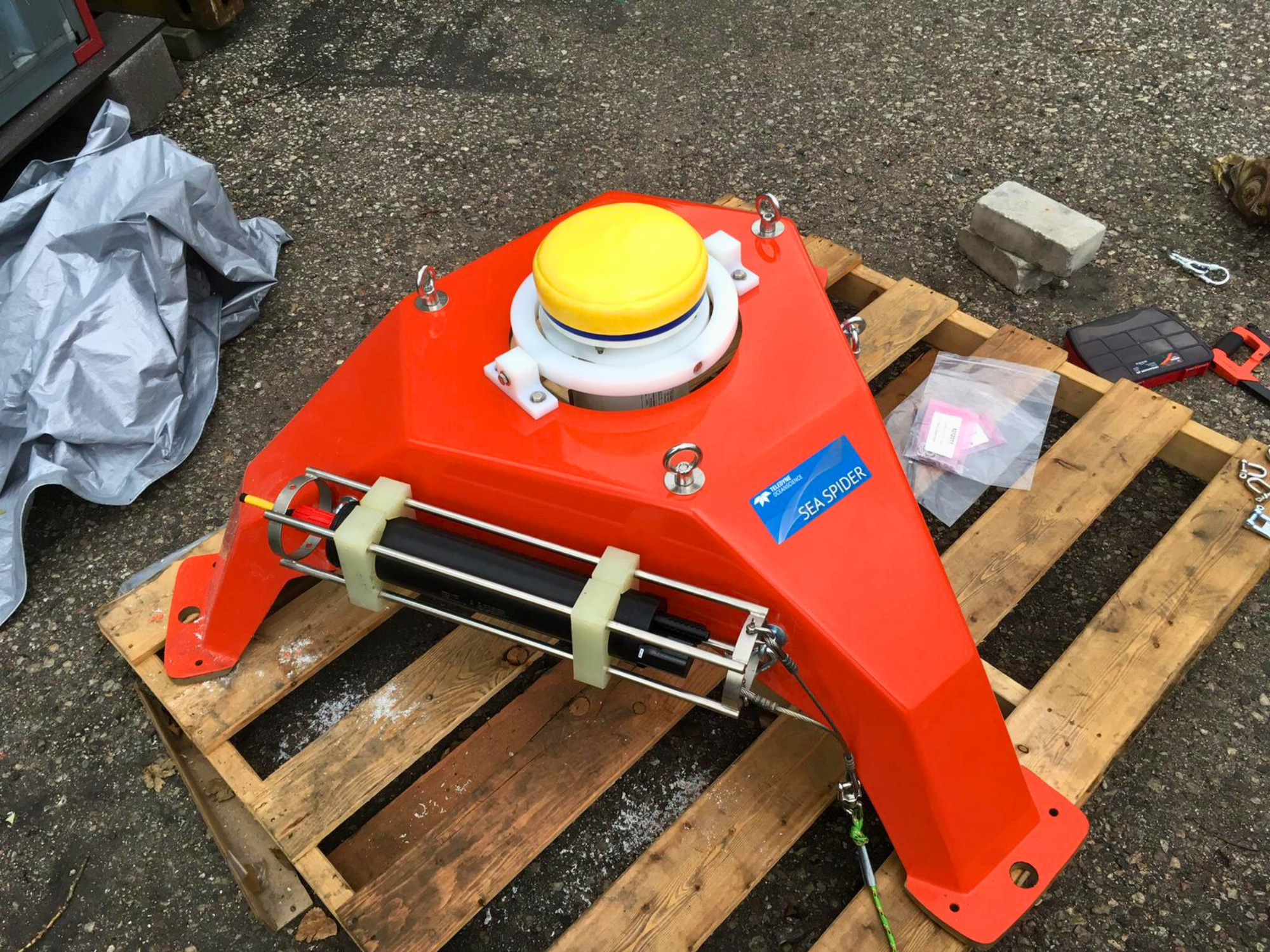
The device pictured is an acoustic current profiler, used to measure underwater currents and support safer ship routes, marine construction and ecosystem research.
More than a place on the map
The biggest misunderstanding is that a testbed simply means drawing a polygon on a sea chart or building a facility.
In reality, the harder part is the system around it: access conditions, environmental safeguards, monitoring, data use and coordination between institutions.
Without this system, testing continues case by case — dependent on informal networks, project-by-project permissions and unclear expectations. Innovators face uncertainty, and authorities carry the burden of evaluating each new case without a shared framework.
Another common misunderstanding is that making testing easier weakens environmental protection. In practice, the opposite is true. A well-designed testbed concept makes safeguards clearer, monitoring more consistent and decisions better informed.
This is why the concept matters. Not only for innovation, but also for environmental protection, climate goals, maritime safety and the long-term competitiveness of the Baltic Sea region.



Funded by the European Union under Grant Agreement ID 101186498. Views and opinions expressed are however those of the author(s) only and do not necessarily reflect those of the European Union. Neither the European Union nor the granting authority can be held responsible for them.